





Handwritten recipe cards are making a quiet return to today’s home kitchens. While recipe apps, cooking websites, and smart appliances offer speed and convenience, many people are rediscovering the simple pleasure of preparing food from a card written by hand.
These cards are more than cooking instructions. They can hold family stories, personal notes, helpful reminders, and memories of shared meals. A smudged ingredient list or faded handwriting may connect a cook with a parent, grandparent, friend, or an earlier time in life.
The renewed interest in handwritten recipes does not mean digital tools are disappearing. Instead, many home cooks are combining both approaches. They may search online for inspiration, then copy a favorite recipe onto a card to use, save, or share.
Why Recipe Cards Are Returning
Recipe cards offer something that digital recipes often cannot: a physical connection to the cooking process. A card can be placed beside a mixing bowl, covered in flour, and marked with changes over time. It becomes part of the kitchen rather than another screen to manage.
Several factors are contributing to this renewed interest:
– A desire for slower, more intentional routines
– Growing interest in family traditions
– The appeal of handmade and personal items
– A need for simple, screen-free kitchen tools
– Increased interest in organizing recipes at home
– The joy of giving meaningful, practical gifts
For many people, handwritten cards also make cooking feel more personal. The handwriting may be familiar, and the wording may include details that are not found in a standard cookbook, such as “bake until lightly golden” or “add a little more milk if needed.”
More Than a List of Ingredients
A recipe card often becomes a small record of a person’s life. Notes in the margins may mention when a dish was served, who enjoyed it, or how the recipe changed.
For example, a card might include:
– “Made this for the first family picnic”
– “Use the large baking dish”
– “Grandpa likes extra cinnamon”
– “Good for busy weeknights”
– “Double the recipe for holidays”
These details give the recipe a sense of place and time. They also help future cooks understand how the dish was meant to be prepared and enjoyed.
Even small imperfections can make a card special. Uneven lettering, crossed-out ingredients, and stains show that the recipe was used in a real kitchen. Rather than reducing its value, these marks often make it feel more authentic.
The Personal Touch of Handwriting
Handwriting gives each recipe a distinct personality. A typed recipe can be clear and easy to read, but a handwritten card feels more directly connected to its writer.
The style of the handwriting may bring back memories of a loved one. In some families, recipe cards are among the few everyday items that preserve a relative’s handwriting. This makes them meaningful keepsakes, even when the recipes themselves are simple.
Handwritten cards can also reflect the personality of the cook. Some people write detailed instructions, while others use short phrases and familiar measurements. Over time, family members may learn what “a pinch,” “a spoonful,” or “cook until ready” means in that particular kitchen.
Building a Recipe Card Collection
Starting a collection does not require a large box or an elaborate system. A small set of index cards can be enough. The goal is to create a collection that is useful, easy to maintain, and enjoyable to revisit.
Consider organizing cards into groups such as:
– Breakfast
– Main dishes
– Side dishes
– Baking
– Desserts
– Drinks
– Holiday favorites
A simple color system can make categories easier to find. Different card colors, labels, or dividers can help organize recipes without making the collection feel complicated.
It is also helpful to leave space for future notes. Recipes often change as cooks adjust ingredients, serving sizes, or cooking times. A blank section on the card can be used to record these updates.
Combining Handwritten and Digital Recipes
Modern cooks do not have to choose between paper and technology. The two formats can work well together.
A digital recipe can serve as the starting point. After testing it, a cook can write a preferred version on a card. This allows them to remove unnecessary information, add personal notes, and adjust the instructions to match their kitchen.
Digital tools can also help protect treasured handwritten recipes. Scanning or photographing old cards creates a backup in case the original is damaged. A digital copy can be stored in a private folder, shared with family members, or printed again when needed.
When preserving an old card, try to capture:
– The front and back of the card
– Any notes written in the margins
– The original spelling and wording
– Stains, marks, or other meaningful details
– The name of the recipe writer, if known
A clear digital image protects the information while allowing the original card to remain safely stored.
Making Recipe Cards a Shared Tradition
Recipe cards are especially appealing as gifts. A small collection of favorite recipes can be given to a new cook, a family member, or someone moving into a new home.
A thoughtful recipe card gift might include:
– Several family recipes
– Notes about the history of each dish
– A list of useful kitchen tips
– Blank cards for the recipient’s own recipes
– A small box or binder for storage
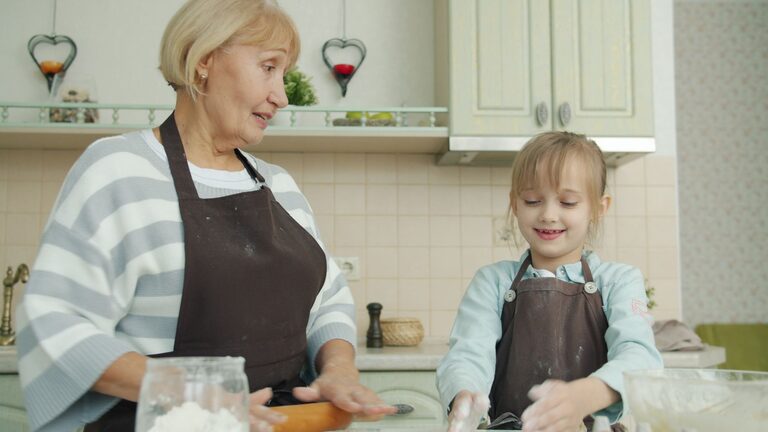
Families can also create recipe card projects together. Older relatives may share recipes from memory, while younger family members write them down, test them, and add updated instructions. This turns cooking into a shared activity and helps preserve traditions that might otherwise be forgotten.
Tips for Writing a Useful Recipe Card
A beautiful card is enjoyable, but it should also be practical. Clear instructions make it easier for someone else to prepare the dish successfully.
Include the following whenever possible:
- The recipe name
- A complete ingredient list
- Measurements and serving size
- Step-by-step directions
- Cooking temperature and time
- Helpful preparation notes
- The date or source of the recipe
Use clear handwriting and enough space between steps. If a recipe has several stages, separate them with short headings such as “Prepare the filling” or “Bake the dish.”
It is also useful to test the recipe before giving it to someone else. Write down any changes that improve the result, including substitutions or adjustments for different dish sizes.
A Simple Way to Slow Down
The return of handwritten recipe cards reflects a broader interest in meaningful, everyday objects. In a busy digital world, a small card offers a slower and more personal way to connect with food and family.
Whether it holds a treasured family recipe or a new favorite copied from an online source, each card can become part of a kitchen’s story. It may be used for years, passed from one cook to another, and eventually carry notes from several generations.
Handwritten recipe cards do not replace modern cooking tools. They add another layer to them: memory, creativity, and a physical reminder that many of the best kitchen traditions begin with sharing something simple.