

Honey is often treated as a simple sweetener, but local honey tasting events invite people to experience it in a whole new way. Like coffee, cheese, or olive oil, honey can vary widely in color, texture, aroma, and flavor. A tasting event offers an easy and enjoyable way to explore those differences while learning more about nearby farms and beekeepers.
Whether hosted at a farmers market, specialty food shop, farm, or community center, these events combine education and entertainment. Guests can sample several types of honey, compare tasting notes, and discover new ways to use honey in everyday meals.
What Makes Local Honey Different?
Honey reflects the flowers visited by bees. When bees gather nectar from different plants, the finished honey can develop distinctive characteristics. Weather, soil, location, and harvest timing also influence its flavor and appearance.
For example, honey made primarily from clover may have a mild, familiar sweetness. Wildflower honey can offer a more complex flavor because it comes from several types of flowers. Other varieties may have notes that suggest fruit, herbs, caramel, citrus, or toasted sugar.
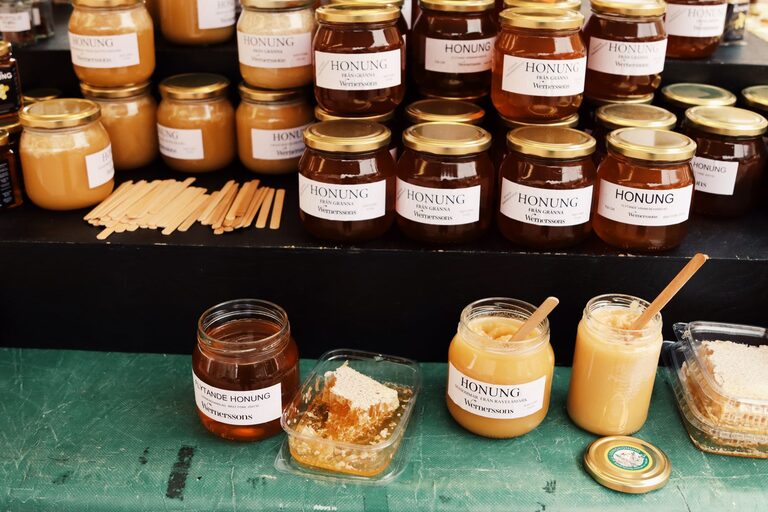
The texture can vary as well. Some honey remains smooth and liquid, while other types naturally crystallize into a thicker, spreadable form. Crystallization is a normal process and does not necessarily mean the honey has spoiled.
At a tasting event, these differences become easier to notice because samples are presented side by side.
What to Expect at a Honey Tasting Event
A typical honey tasting includes several small samples arranged from lighter to stronger flavors. Event hosts may provide tasting spoons, small pieces of bread, fruit, or plain crackers to help cleanse the palate between samples.
Many tastings also include:
– Information about the beekeeper or farm
– Details about the flowers and plants in the area
– Samples of raw, filtered, or creamed honey
– Pairing suggestions for cheese, fruit, bread, or tea
– Seasonal honey varieties
– Honey-based products such as candles, sauces, or baked goods
Some events are informal, allowing guests to move from table to table. Others follow a guided format, with a host explaining each sample and encouraging participants to describe what they notice.
The atmosphere is usually relaxed and social. Guests can ask questions, share opinions, and compare favorites with friends or family members.
How to Taste Honey Like a Food Expert
You do not need special training to enjoy a honey tasting. A few simple steps can help you notice more details.
1. Look at the Color
Begin by observing the color of the honey. It may range from nearly clear to golden, amber, or deep brown. Color can offer clues about the honey’s floral source and flavor intensity, although a darker color does not always mean a stronger taste.
2. Notice the Aroma
Hold the sample near your nose and take a gentle breath. You may detect floral, fruity, grassy, earthy, or warm notes. Some varieties have a delicate aroma, while others are more pronounced.
3. Taste a Small Amount
Let a small drop rest on your tongue before swallowing. Notice the sweetness first, then consider how the flavor develops. Is it light and fresh, rich and buttery, or bold and slightly smoky?
4. Pay Attention to the Finish
The flavor that remains after tasting is called the finish. Some honeys disappear quickly, while others leave behind a lasting floral, herbal, or caramel-like impression.
5. Compare Samples
The most interesting part of a tasting is often the comparison. A honey that tastes mild on its own may seem especially bright next to a darker, richer variety.
Popular Honey Pairings
Honey tasting events often include simple food pairings that show how honey can complement other ingredients. These pairings can also inspire ideas for meals at home.
Try pairing honey with:
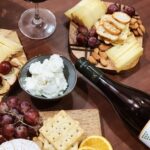
– Soft cheeses such as ricotta or goat cheese
– Aged cheeses with salty or nutty flavors
– Fresh apples, pears, berries, or peaches
– Toasted bread, biscuits, or cornbread
– Plain yogurt or oatmeal
– Roasted vegetables
– Herbal or black tea
– Nuts and seeds
A mild honey may work well with delicate foods, while a bold honey can stand up to stronger cheeses or roasted dishes. The goal is not to find one “correct” combination but to discover flavors that you enjoy.
Learning From Local Beekeepers
One of the most valuable parts of a honey tasting is the opportunity to meet the people who produce it. Beekeepers can explain how hives are managed, when honey is harvested, and how different seasons affect the bees and their food sources.
Visitors may also learn about:
– The role bees play in pollinating plants
– How honey is removed from the hive
– Why honey colors and textures change
– How weather affects a harvest
– The difference between local honey varieties
– Ways to store and use honey at home
These conversations add a personal touch to the event. Instead of viewing honey as a packaged grocery item, guests begin to connect it with landscapes, flowers, farms, and the people who care for the hives.
Tips for Hosting Your Own Honey Tasting
You can recreate the experience at home with a few local varieties. Start with three to five different honeys and label each sample clearly. Include a mix of light and dark colors or varieties from different floral sources.
Set out small spoons, plain crackers, water, and a notebook for tasting notes. Serve the honey at room temperature so its aroma and texture are easy to appreciate.
Encourage guests to describe each sample using simple words. They might call one honey floral, fruity, buttery, bright, earthy, or rich. There is no need to use formal tasting vocabulary. Personal impressions are part of the fun.
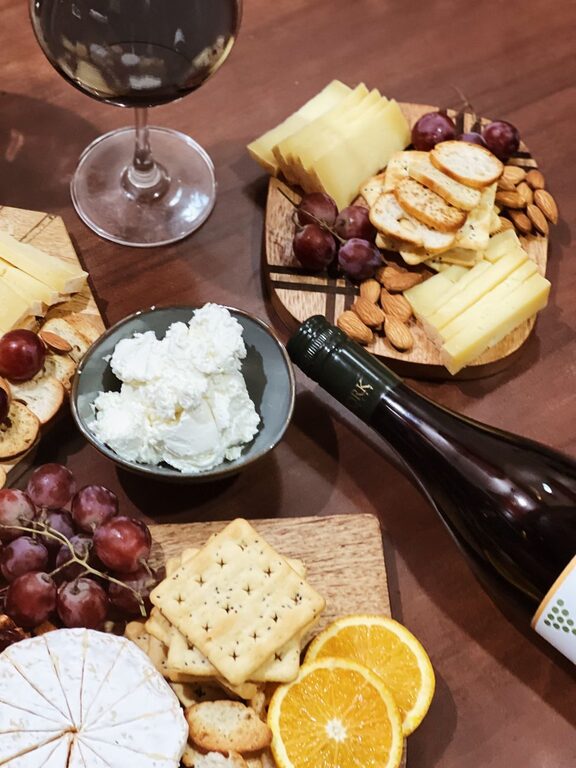
To make the gathering more interactive, ask guests to vote on their favorite honey or choose the best pairing. You could also serve a small cheese board, seasonal fruit, and fresh bread.
Finding a Local Honey Event
Local honey tastings may be listed by farmers markets, farm shops, food festivals, garden centers, cooking schools, and beekeeping groups. Check community calendars and local food newsletters for seasonal events.
Some tastings are held during harvest celebrations or agricultural fairs, while others are scheduled as workshops. If you cannot find an organized event nearby, a local beekeeper or specialty food store may be able to recommend one.
When attending, bring curiosity and an open mind. Every sample may offer a different perspective on the plants and places around you.
A Simple Way to Savor Local Flavor
Local honey tasting events are more than opportunities to sample something sweet. They offer a closer look at regional food, seasonal changes, and the work of beekeepers. They also show how one ingredient can express the character of its surroundings.
Whether you attend a guided tasting or organize one at home, comparing local honeys can turn an everyday food into a memorable culinary experience. With a spoon, a few samples, and a willingness to explore, you can discover the rich variety hidden in every jar.