


A Fresh Interest in an Old Kitchen Skill
Pickling workshops are becoming increasingly popular with home cooks who want to learn practical food skills in a relaxed, social setting. These classes introduce participants to the simple process of preserving vegetables, fruits, herbs, and other ingredients in a flavorful brine.
Although pickling has been practiced for generations, many people are discovering it for the first time through local cooking schools, community centers, farmers markets, and specialty food shops. Workshops make the process approachable by combining hands-on instruction with plenty of opportunities to taste, experiment, and ask questions.
For beginners, a class can make pickling feel less intimidating. Instead of sorting through complicated instructions alone, participants can watch an instructor prepare the ingredients, explain each step, and demonstrate safe handling techniques.
What Happens at a Pickling Workshop?
Every class is slightly different, but most workshops follow a similar format. Participants usually learn how to prepare fresh ingredients, make a pickling liquid, pack jars, and store the finished product.
A typical workshop may include:
– An introduction to pickling methods
– A discussion of seasonal produce
– Demonstrations of knife skills and jar preparation
– Instructions for making brines
– Hands-on preparation of a pickled recipe
– Tasting and flavor comparison
– Guidance on storage and serving ideas
Some classes focus on quick pickles, which are stored in the refrigerator and ready to eat within a short time. Others introduce longer preservation methods that require more detailed instructions and careful preparation.
The friendly, guided format allows home cooks to learn at their own pace. Participants can also see how small changes in ingredients affect taste, color, texture, and aroma.
Why Home Cooks Are Signing Up
Pickling Is Practical
One of the main attractions of pickling is its usefulness. A successful harvest from a home garden or a generous farmers market purchase does not have to go to waste. Pickling can extend the life of many vegetables and create flavorful additions for future meals.
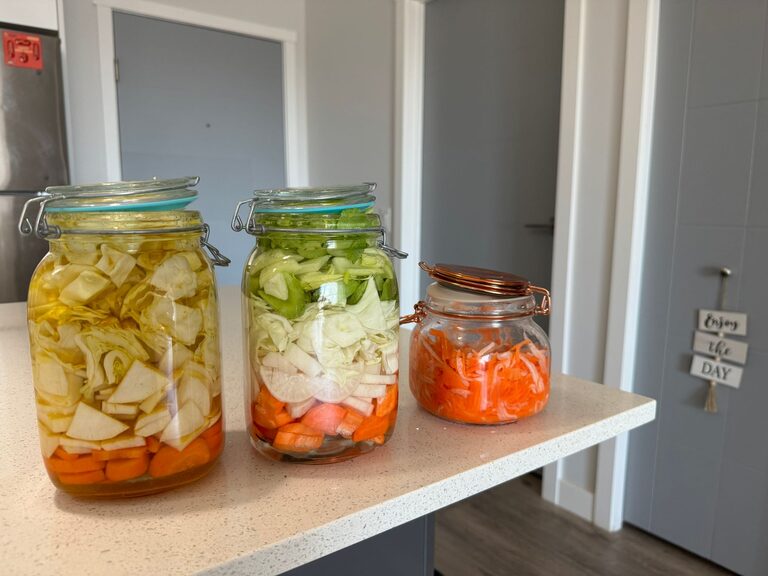
Cucumbers are a classic choice, but workshops often feature carrots, onions, green beans, radishes, cabbage, peppers, beets, and seasonal fruits. This variety helps home cooks see pickling as a flexible technique rather than a single recipe.
Classes Make Learning Social
Cooking at home can sometimes feel like a solitary activity. Workshops offer a chance to meet other people who share an interest in food. Participants often work in pairs or small groups, making the experience lively and collaborative.
The social atmosphere can also make it easier to try something new. A person who might hesitate to pickle unfamiliar vegetables at home may feel more comfortable experimenting in a supportive class.
The Results Are Easy to Enjoy
Pickled foods can add brightness and contrast to everyday meals. A jar of pickled onions can bring color and tang to sandwiches, tacos, salads, and grain bowls. Pickled carrots can complement roasted foods, while pickled fruit can add interest to cheese boards or desserts.
Because the finished product can often be sampled soon after preparation, participants receive a satisfying result from their work. Taking home a jar also gives them a useful reminder of what they learned.
The Basics Participants Learn
Choosing Fresh Ingredients
Good pickling starts with fresh, firm produce. Instructors often explain how to select vegetables that are free from bruises and have a pleasant texture. Seasonal ingredients are especially popular because they are often widely available and full of flavor.
Workshops may also cover preparation choices, such as slicing vegetables into spears, rounds, ribbons, or small pieces. The shape and size can affect how quickly the ingredients absorb the brine.
Building a Balanced Brine
A brine typically includes vinegar, water, salt, and sometimes sugar. Herbs, spices, garlic, and other flavorings can be added to create different styles.
Instructors explain how each ingredient contributes to the final result. Vinegar provides acidity, salt enhances flavor, sugar can soften sharp notes, and spices add aroma and character. Participants learn that a small change in the balance can produce a noticeably different pickle.
Popular additions include:
– Dill
– Mustard seeds
– Black peppercorns
– Bay leaves
– Garlic
– Ginger
– Red pepper flakes
– Coriander seeds
The goal is not to memorize one formula. It is to understand the role of each ingredient and learn how to follow a tested recipe accurately.
Packing and Storing Jars
Jar preparation is another important part of a workshop. Participants learn how to clean containers, arrange ingredients, pour in brine, and leave appropriate space at the top.
Instructors also explain the difference between refrigerator pickles and shelf-stable preserved foods. Quick pickles are usually kept chilled, while other methods involve additional processing and more precise safety steps. Clear guidance helps beginners understand which approach is suitable for their kitchen.
Quick Pickles Are a Popular Starting Point
Many workshops begin with quick pickles because they are straightforward and require little specialized equipment. Instead of using a lengthy preservation process, the prepared ingredients are covered with brine and stored in the refrigerator.
This method is appealing to busy home cooks because it can be completed in a short session. The pickles may be ready to taste within a day or two, although flavor and texture often develop further with additional time.
Quick pickles are also easy to customize. A basic cucumber recipe can be adjusted with different herbs, spices, or types of vinegar. Once participants understand the process, they can apply the same approach to other vegetables.
Workshops Encourage Creative Experimentation
Pickling classes often inspire cooks to think beyond traditional combinations. An instructor may demonstrate a dependable base recipe and then invite participants to create their own flavor profiles.
For example, one group might make a bright, herb-filled pickle, while another creates a sweeter version with warm spices. Some participants prefer bold garlic and pepper, while others enjoy mild, fresh flavors.
This experimentation helps home cooks develop confidence. They learn that pickling can be both a structured technique and a creative kitchen project. The most successful experiments usually begin with a reliable recipe and make only a few changes at a time.
How to Choose the Right Workshop
Anyone considering a pickling class should look for a workshop that matches their experience and interests. A beginner-friendly class should explain basic terminology, demonstrate each step, and provide clear storage instructions.
It can also help to check whether the class includes:
– All ingredients and equipment
– A printed recipe or guide
– Hands-on preparation
– A jar of food to take home
– Information about seasonal variations
– Time for questions
Some workshops are designed around a particular theme, such as fermented vegetables, fruit pickles, or garden produce. Others offer a broad introduction. Reading the class description carefully can help participants choose the best fit.
Bringing Pickling Skills Home
After attending a workshop, home cooks can continue practicing with small batches. Starting with one or two familiar vegetables makes it easier to observe how preparation, brine, and storage affect the finished product.
Keeping notes can also be useful. Cooks may want to record the type of vinegar used, the amount of salt, the spices added, and how long the pickles were stored before tasting. These notes make it easier to repeat favorite combinations.
Over time, a simple class can lead to a more confident approach to food preparation. Home cooks may begin planning meals around seasonal produce, creating homemade gifts, or building a collection of favorite refrigerator pickles.
A Hands-On Trend With Lasting Appeal
The growing popularity of pickling workshops reflects a broader interest in practical, creative cooking. These classes combine useful instruction with the pleasure of making something by hand.
For beginners, they provide a clear introduction to food preservation. For experienced cooks, they offer fresh ideas and new flavor combinations. Most importantly, workshops show that pickling does not have to be complicated. With fresh ingredients, a dependable recipe, and careful preparation, home cooks can create flavorful foods to enjoy long after the class ends.