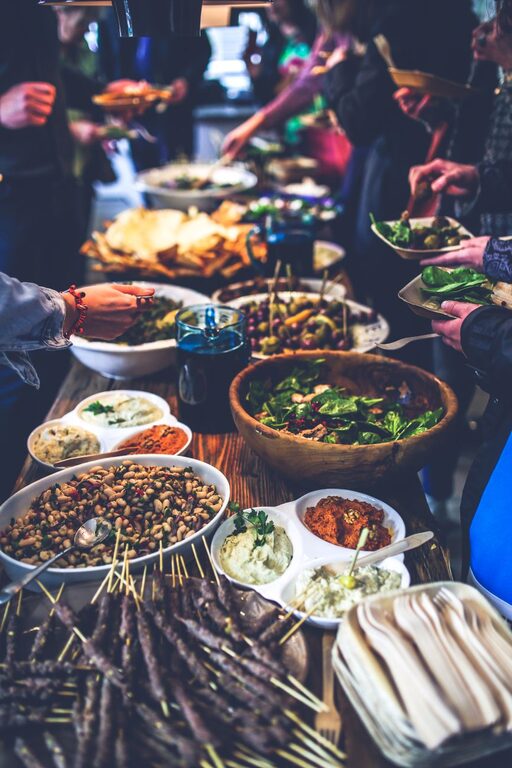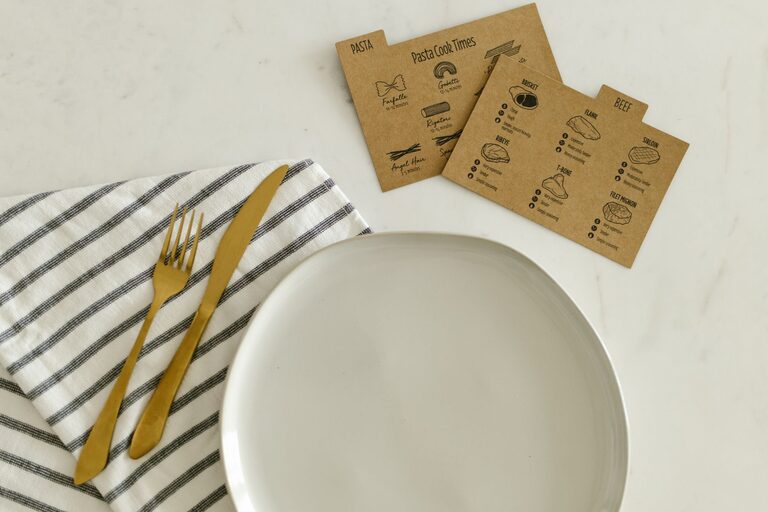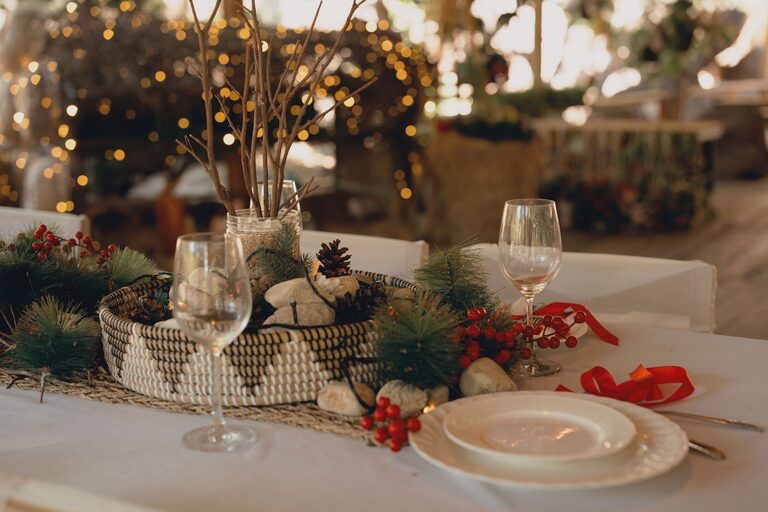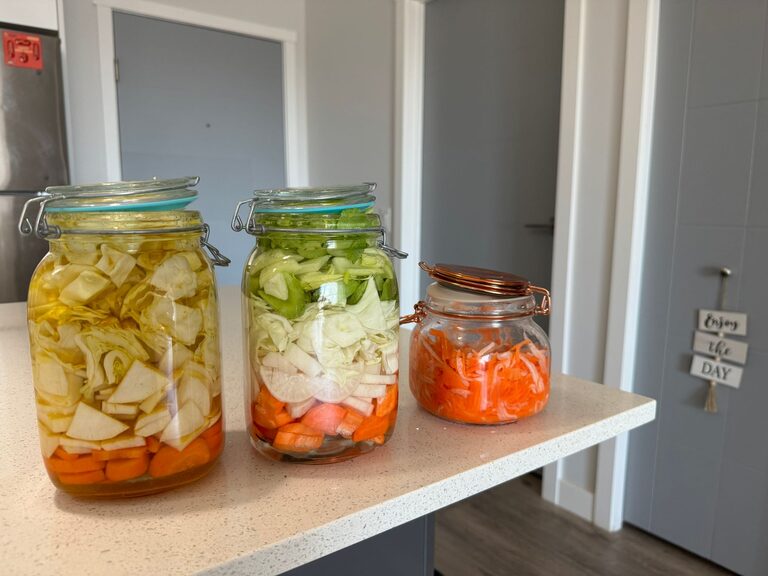





Family recipes are more than lists of ingredients and instructions. They often carry memories of holidays, busy weeknights, neighborhood gatherings, and lessons learned in the kitchen. For many women over 65, passing down a favorite recipe is also a way to share family history, practical skills, and the joy of making something by hand.
These recipes do not need to be complicated. Some are simple soups, baked goods, casseroles, or sauces that became household favorites over time. What makes them special is the care behind them and the stories connected to each dish.
More Than a Recipe Card
Many family recipes began as handwritten notes, newspaper clippings, or instructions remembered from watching a parent or grandparent cook. Measurements may be approximate, with directions such as “add enough flour” or “bake until golden.”
Today, older family members are helping younger cooks preserve these recipes in new ways. They may type them into a shared document, record a cooking video, or prepare the dish together while explaining each step.
The goal is not always to create a perfect copy. It is to help the next generation understand the spirit of the recipe.
“Watch the Texture”
One common lesson passed down in family kitchens is to pay attention to texture instead of relying only on a timer.
For example, dough may need to feel soft but not sticky. A soup may be ready when the vegetables can be pierced easily with a fork. A sauce may thicken enough to coat the back of a spoon.
These observations are especially useful for new cooks, who may feel unsure when a recipe does not look exactly as expected. Learning to notice changes in color, smell, and texture can build confidence.
Recipes That Bring People Together
Hearty Vegetable Soup
A simple vegetable soup is a favorite in many households because it is flexible, comforting, and easy to share. One family version begins with onions, carrots, and celery cooked gently in a large pot. Potatoes, beans, tomatoes, broth, and seasonal vegetables are then added.
The recipe can change depending on what is available. Some cooks add pasta or rice, while others use leftover chicken or a handful of herbs from the garden.
Women teaching this recipe often emphasize that it is meant to be adapted. The important steps are building flavor at the beginning and allowing the ingredients enough time to become tender.
This kind of dish also teaches an important kitchen habit: use what you have before buying more. Leftover vegetables and small amounts of grains or beans can become a satisfying meal.
Sunday Tomato Sauce
For some families, tomato sauce is connected to weekend gatherings and long afternoons in the kitchen. A basic sauce may include canned tomatoes, onions, garlic, olive oil, and dried or fresh herbs.
The family lesson may be to cook the onions slowly, taste the sauce as it simmers, and adjust the seasoning gradually. A small amount of sugar, a pinch of salt, or extra herbs can change the final flavor.
Making sauce together gives older cooks a chance to explain why patience matters. Rather than rushing the process, younger family members learn to let the ingredients develop their flavor over time.
Baking Lessons Passed Down
Old Fashioned Apple Cake
Baking recipes often become family traditions because they mark birthdays, reunions, and seasonal celebrations. One popular example is a simple apple cake made with fresh apples, cinnamon, flour, eggs, and a few pantry staples.
The recipe may come with several reminders:
– Measure dry ingredients carefully.
– Bring refrigerated ingredients to room temperature when possible.
– Do not overmix the batter.
– Check the cake near the end of the baking time.
– Let it cool before slicing.
Experienced bakers often teach that small details make a difference. They may show a child how to level a measuring cup, test a cake with a toothpick, or fold ingredients gently.
The finished cake is only part of the tradition. The conversation, shared work, and anticipation around the oven are just as memorable.
Dinner Rolls for Special Gatherings
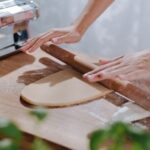
Homemade rolls can seem intimidating to new cooks, but family instruction makes the process more approachable. Older bakers often demonstrate how to activate yeast, knead dough, and tell when it has risen enough.
Instead of focusing only on exact timing, they may explain what the dough should look and feel like. It should become smooth and elastic, and it should expand noticeably during the rising period.
Making rolls also teaches patience. Dough cannot always be hurried, and the best results often come from allowing each stage to take the time it needs.
Preserving Family Stories
A recipe can become even more meaningful when it includes the story behind it. Families may remember who first made the dish, when it was served, or how the recipe changed over the years.
When documenting a family recipe, consider adding:
– The name of the person who shared it
– The occasion when it was traditionally served
– Ingredient substitutions used by the family
– Helpful preparation tips
– A favorite memory connected to the dish
– A photo of the original recipe card or finished meal
These details help younger relatives understand that recipes are living traditions. They can be adjusted for new kitchens, changing schedules, and different tastes while still keeping their connection to the past.
Teaching Without Taking Over
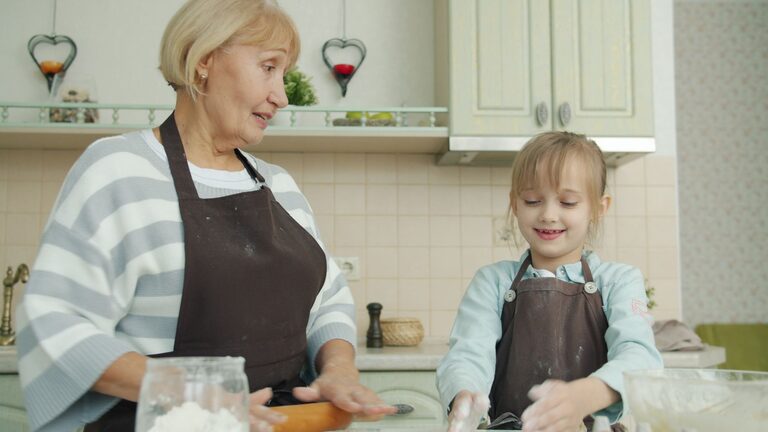
Sharing kitchen knowledge works best when younger cooks are given room to participate. Rather than doing every step, an experienced cook can invite a child, grandchild, or friend to measure, stir, chop, or season.
A few helpful teaching habits include:
Start With One Manageable Recipe
A beginner does not need to learn an entire holiday menu at once. Start with a dish that has familiar ingredients and a clear process.
Explain the Reason Behind Each Step
It is easier to remember an instruction when the purpose is clear. For instance, chilling dough can help it hold its shape, while resting cooked meat can help retain moisture.
Encourage Questions
Family kitchens are learning spaces. Questions about ingredients, tools, and cooking times can lead to useful conversations and new ideas.
Write Down the “A Little Bit” Ingredients
Some cooks are comfortable measuring by sight, but younger cooks may need more guidance. Estimating the amounts used can make a treasured recipe easier to repeat.
Making Traditions Fit Modern Life
Passing down a recipe does not require a large family gathering. A grandparent and grandchild can cook together in person, prepare the same dish over a video call, or exchange photos and notes after trying a recipe.
Families can also make practical updates. A recipe may be rewritten with clearer measurements, adjusted for a smaller household, or organized into a digital collection. A traditional dish can remain familiar while becoming easier to prepare in today’s kitchens.
What matters most is keeping the connection alive.
The Gift of Cooking Together
When women 65 and older teach family recipes, they pass along more than cooking instructions. They share patience, creativity, resourcefulness, and memories built around the table.
A handwritten card may eventually become a digital file, and a once-secret kitchen trick may become common knowledge among several generations. Still, the heart of the tradition remains the same: someone taking the time to show someone else how to make a dish with care.
The next generation may change the recipe, add new ingredients, or create traditions of its own. That is part of the process. Family recipes continue to live when people prepare them, talk about them, and make them their own.