






A cheese tasting night does not need to be formal or complicated. With a few regional cheeses, thoughtfully chosen pairings, and a relaxed serving plan, you can create an inviting experience at home. The key is to explore how local ingredients, traditions, and flavors work together.
You can serve everything at once for a casual gathering or guide guests through a tasting from mild to bold. Either way, regional pairings offer an easy way to discover new combinations while keeping the evening simple.
Start With a Balanced Cheese Selection
A well-rounded tasting usually includes three to five cheeses. Choose different textures, milk types, and flavor strengths so each cheese feels distinct.
A simple selection might include:
– One soft cheese, such as Brie or fresh goat cheese
– One semi-firm cheese, such as Manchego or Gouda
– One firm cheese, such as aged Cheddar or Parmigiano-Reggiano
– One blue cheese, such as Stilton or Gorgonzola
– One fresh cheese, such as burrata, feta, or mozzarella
If you are serving several guests, plan on about two to three ounces of cheese per person for a light tasting. Add more if cheese is the main food. Remove the cheeses from the refrigerator about 30 to 60 minutes before serving so their aromas and textures can develop.
European Pairings to Explore
European cheese traditions offer many classic combinations. These pairings are popular because the foods often come from the same region and naturally complement one another.
France: Brie, Camembert, and Fruit
Soft French cheeses are known for their creamy centers and mild, buttery flavors. Brie pairs beautifully with crisp apples, pears, and seedless grapes. For a richer option, add a small spoonful of fig spread or apricot preserves.
Serve French-style cheeses with:
– A crusty baguette
– Toasted walnuts
– Fresh herbs
– Cornichons, or small pickles
– Lightly dressed greens
Keep the accompaniments simple. Soft cheeses can be delicate, so avoid covering their flavor with heavily seasoned foods.
Spain: Manchego and Marcona Almonds
Manchego is a firm Spanish cheese with a slightly nutty, savory flavor. It is especially enjoyable with Marcona almonds, quince paste, and thin slices of pear.
For a Spanish-inspired board, add:
– Cured olives
– Roasted peppers
– Sliced baguette
– Dried figs
– A drizzle of honey
Quince paste offers a sweet, dense contrast to Manchego. Cut it into small slices or cubes so guests can easily place it on top of the cheese.
Italy: Parmigiano-Reggiano and Balsamic Notes
Parmigiano-Reggiano has a firm, crumbly texture and a savory flavor with hints of nuttiness. It is excellent with fresh pears, grapes, and a few drops of aged balsamic vinegar.
Instead of pouring vinegar over the cheese, serve it in a small dish for dipping. You can also pair Parmigiano-Reggiano with:
– Prosciutto
– Fresh figs
– Toasted hazelnuts
– Rustic bread
– Marinated artichokes
For a softer Italian option, try fresh mozzarella with tomatoes, basil, olive oil, and a pinch of salt. This combination is simple, colorful, and easy to prepare.
England: Cheddar and Chutney
A sharp aged Cheddar pairs well with sweet and tangy chutney. Onion, apple, or tomato chutney can balance the cheese’s rich, savory flavor.
Complete the pairing with:
– Whole-grain crackers
– Sliced apples
– Pickled onions
– Mustard
– Roasted nuts
A mild Cheddar can be paired with sweeter fruits, while a sharper Cheddar works well with bold chutneys and hearty bread.
American Regional Pairings
The United States has a wide variety of cheesemaking traditions, from Vermont and Wisconsin to California and the Pacific Northwest.
Vermont Cheddar With Apples
Vermont Cheddar is a natural match for crisp apples, especially varieties with a bright, tart flavor. Add maple syrup or maple candies for a distinctly regional touch.
A Vermont-inspired pairing might include:
– Sharp Cheddar
– Apple slices
– Maple butter
– Rye crackers
– Toasted pecans
The combination of sharp, sweet, and crunchy textures makes this an approachable choice for guests who are new to cheese tastings.
Wisconsin Cheese With Pickles and Sausage
Wisconsin is well known for Cheddar, Colby, Monterey Jack, and other approachable cheeses. These styles work well with dill pickles, pretzels, mustard, and sliced sausage.
Try serving:
– Colby with pretzels and mustard
– Aged Cheddar with pickles
– Pepper Jack with roasted peppers
– Creamy cheese spread with rye bread
These pairings create a casual, hearty board that is ideal for game nights or relaxed gatherings.
California Cheese With Fresh Produce
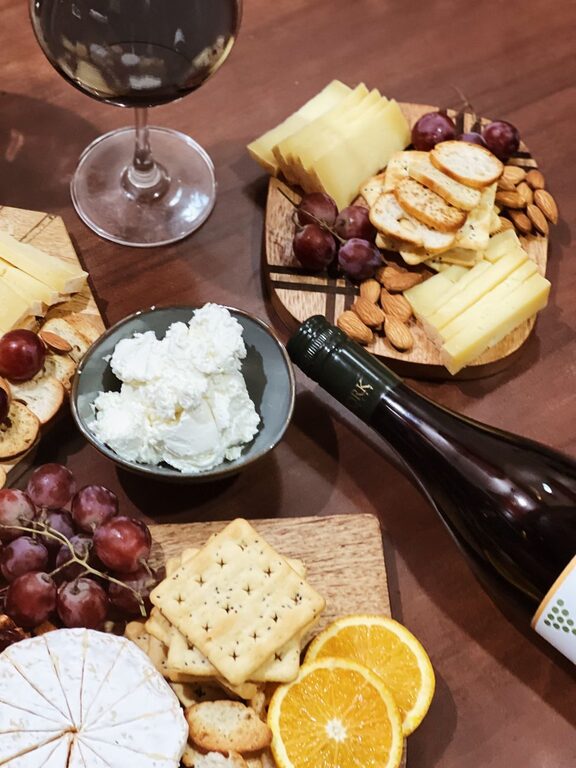
California-style cheese boards often highlight fresh produce, nuts, and herbs. A fresh goat cheese can be paired with berries, citrus segments, almonds, and honey.
For a bright, seasonal board, include:
– Fresh goat cheese
– Strawberries or grapes
– Lemon zest
– Almonds
– Sourdough bread
– Honey
This approach works especially well in warmer months when fresh fruit is readily available.
Add Regional Details Without Overcomplicating the Menu
You do not need every item on the board to come from the same region. Instead, choose one or two ingredients that support the theme. For example, a French-inspired board might feature Brie, baguette, fig spread, and walnuts. A Spanish board could center on Manchego, quince paste, almonds, and olives.
Use small labels to identify each cheese and its region. You can also write a short description, such as “nutty and firm” or “creamy with a mild finish.” This gives guests an easy starting point without turning the tasting into a formal lesson.
Plan the Tasting Order
Serve cheeses from mildest to strongest. This helps guests notice the differences without allowing a bold cheese to overpower the more delicate options.
A good order is:
- Fresh or mild cheese
- Soft-ripened cheese
- Semi-firm cheese
- Aged, firm cheese
- Blue or strongly flavored cheese
Place plain bread or unsalted crackers between tastings to refresh the palate. Encourage guests to try each cheese on its own before adding fruit, nuts, or spreads.
Create a Comfortable Serving Setup
A wooden board, large platter, or clean countertop can all work well. Arrange the cheeses with enough space between them and provide a separate knife for each type when possible.
Helpful serving items include:
– Small cheese knives
– Spoons for spreads
– Side plates
– Cocktail napkins
– Small bowls for nuts and olives
– Labels or place cards
– A waste bowl for rinds and pits
Cut a small portion from each cheese before guests arrive. This shows where to begin and makes the board look inviting. Leave firm cheeses in larger pieces so guests can slice them as they go.
Choose Drinks and Nonalcoholic Options
Cheese can be paired with more than wine. Sparkling water, apple cider, iced tea, and fruit-infused water all provide refreshing choices.
For a simple beverage menu, consider:
– Sparkling water with lemon
– Apple or pear cider
– Lightly sweetened iced tea
– Ginger ale
– Coffee for aged, nutty cheeses
Offer at least one nonalcoholic option that is not overly sweet. Clean, refreshing flavors help balance rich cheeses and keep the tasting comfortable for everyone.
Keep the Evening Relaxed
The best tasting nights are more about conversation than perfection. Invite guests to compare favorites, notice textures, and suggest their own combinations. There is no single correct pairing.
To make preparation easier, assemble the board shortly before guests arrive, keep extra bread and fruit nearby, and refill small portions instead of overcrowding the table. Store perishable foods safely and avoid leaving them at room temperature for longer than necessary.
With a few regional cheeses and fresh, complementary ingredients, you can create a welcoming tasting night that feels special without requiring complicated recipes. Choose flavors you enjoy, add a little variety, and let the evening unfold at its own pace.