







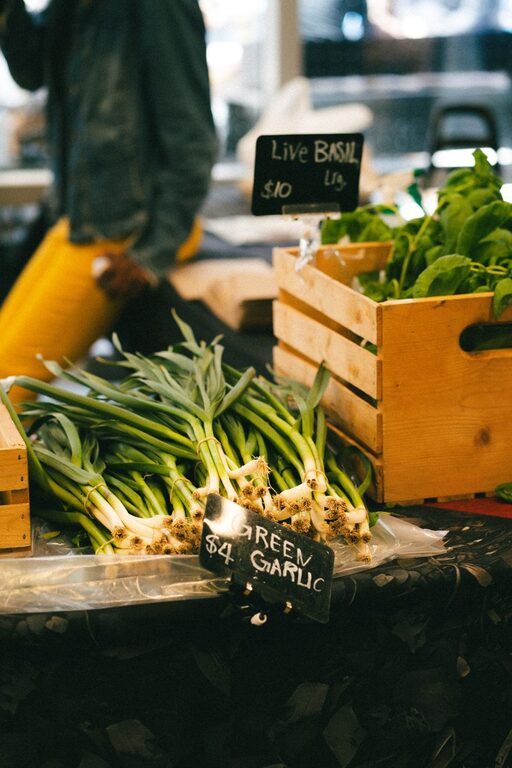
Farmers’ markets offer more than a convenient place to buy fruits and vegetables. They are a chance to meet growers, discover regional ingredients, and shop according to the seasons. A summer market may be filled with berries, tomatoes, and sweet corn, while a fall visit could bring apples, squash, mushrooms, and fresh herbs.
Across the United States, many farmers’ markets have become destinations in their own right. Some are known for their variety, while others stand out for their location, history, or connection to local food traditions. Here are five regional farmers’ markets worth visiting when you want fresh ingredients and a taste of the area.
1. Union Square Greenmarket in New York City
Located in the heart of Manhattan, Union Square Greenmarket is one of the best-known farmers’ markets in the country. It brings together growers, bakers, cheesemakers, orchard owners, and other food producers from the surrounding region.
The market is especially appealing because it changes noticeably throughout the year. In spring, shoppers may find tender greens, asparagus, herbs, and early flowers. Summer brings stone fruit, tomatoes, peppers, beans, and sweet corn. In autumn, the selection often expands to include apples, pumpkins, root vegetables, and hearty greens.
What to look for
– Fresh berries and orchard fruit
– Local cheeses and baked goods
– Seasonal mushrooms and leafy greens
– Fresh flowers and potted herbs
– Regional honey, jams, and preserved foods
The market is a useful stop for both home cooks and visitors staying in the city. Pick up ingredients for a picnic, or ask vendors for ideas on how to prepare unfamiliar produce. Since the market is popular, arriving earlier in the day can make browsing more comfortable and provide the best selection.
2. Pike Place Market in Seattle
Pike Place Market is a historic destination overlooking Seattle’s waterfront. Although it includes shops, restaurants, crafts, and specialty food vendors, its farm stands remain one of its biggest attractions.
The Pacific Northwest is known for its mild climate and abundant farmland, which means the market offers a wide range of seasonal ingredients. Depending on the time of year, visitors may find cherries, apples, berries, leafy greens, squash, and locally grown flowers. Seafood is also closely associated with the market, making it possible to plan a meal around both fresh produce and regional catches.
Why it stands out
Pike Place Market is ideal for visitors who want to combine food shopping with sightseeing. The covered sections make it a practical stop in changing weather, and the surrounding streets are filled with cafés, bakeries, and specialty shops.
For a simple meal, choose a few ingredients that reflect the season. Fresh berries can become a quick dessert, while greens and herbs work well in a light lunch. If you are buying delicate items, bring a reusable bag with room to protect them during the rest of your day.
3. Dane County Farmers’ Market in Madison, Wisconsin
Held around the Capitol Square in Madison, the Dane County Farmers’ Market is a lively destination with a strong connection to Wisconsin farms and food producers. It is one of the largest producer-only markets in the United States, with vendors offering products they grow, raise, or make themselves.
The market is well known for Wisconsin staples such as cheese, honey, baked goods, and seasonal produce. Spring visitors may see greens, radishes, asparagus, and rhubarb. Summer is a good time to shop for tomatoes, cucumbers, zucchini, berries, and sweet corn. By late summer and fall, apples, pumpkins, squash, and root vegetables become more common.
Tips for exploring the market
– Walk the full route before making larger purchases.
– Bring a cooler if you plan to buy cheese or other perishable foods.
– Look for less familiar vegetables and ask vendors how to cook them.
– Visit early for the widest selection, especially during peak summer.
– Leave room for a snack or freshly baked treat.
The market’s setting near the state Capitol adds to its appeal. It is an enjoyable place to spend a morning, whether you are stocking a kitchen or simply looking for a taste of local food culture.
4. Santa Monica Farmers’ Market in California
Southern California’s long growing season makes the Santa Monica Farmers’ Market a favorite destination for fresh produce. The market is known for its wide selection and for the quality of ingredients grown in California’s fertile farming regions.
Seasonal highlights may include citrus, avocados, leafy greens, artichokes, strawberries, stone fruit, tomatoes, and a variety of peppers. Because California produces crops throughout much of the year, there is often something interesting to discover even outside the traditional summer season.
Ingredients to bring home
– Ripe fruit for breakfast or snacks
– Tomatoes and peppers for fresh salsa
– Leafy greens for salads and side dishes
– Artichokes or squash for roasting
– Fresh herbs to brighten simple meals
The market is a good place to practice cooking with ingredients at their peak. Choose one or two main items, then build a meal around them. For example, ripe tomatoes, basil, and a mild cheese can become a simple salad, while seasonal greens can be paired with grains, eggs, or roasted vegetables.
Arrive with a flexible shopping list. A vendor may have a variety that looks different from what you find at a grocery store but tastes better because it was grown for flavor and harvested at the right time.
5. Crescent City Farmers’ Market in New Orleans
The Crescent City Farmers’ Market connects shoppers with growers and food producers from southeastern Louisiana and nearby regions. Markets are held at different locations, including settings that make it easy to combine a food stop with a neighborhood visit.
The region’s warm climate supports a varied selection of produce. Depending on the season, shoppers may find greens, okra, eggplant, peppers, tomatoes, citrus, sweet potatoes, and other Southern staples. Local prepared foods and handmade products may also be available.
Make the most of your visit
A farmers’ market in New Orleans is a useful place to find ingredients for dishes with bright, bold flavors. Fresh herbs, peppers, greens, and seasonal vegetables can add character to soups, rice dishes, salads, and roasted sides.
If you are visiting from out of town, ask vendors about the best way to store your purchases in warm weather. Buy sturdy items first, such as sweet potatoes or citrus, and save delicate greens or berries for the end of your visit.
How to Shop Seasonally at Any Market
You do not need to be an expert cook to benefit from a farmers’ market. Start by learning which ingredients are in season where you are visiting. Seasonal foods are often fresher, more flavorful, and easier to use in simple recipes.
Keep these tips in mind:
- Bring reusable bags and a small cooler for perishable foods.
- Carry cash, but check whether vendors also accept cards or mobile payments.
- Ask how to store unfamiliar ingredients.
- Buy only what you can use within a few days.
- Plan one meal around your best find rather than shopping for a strict recipe.
- Visit regularly because the selection changes from week to week.
A Fresh Way to Experience a Region
A farmers’ market can reveal a great deal about a place. The crops reflect the climate, the vendors share local traditions, and the market’s busiest seasons often follow the agricultural calendar. Whether you visit a city landmark or a neighborhood gathering, shopping directly from growers makes fresh ingredients feel more personal.
The next time you travel, set aside time for a market visit. Bring an open mind, choose something at its seasonal best, and let the ingredients guide your next meal.