




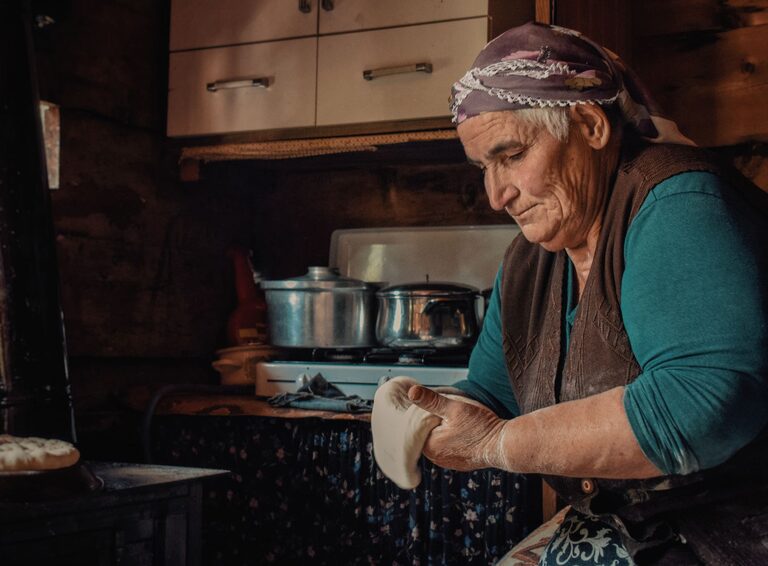
A Timeless Hobby Finds New Energy
Across kitchens, community centers, and local workshops, women 65 and older are helping traditional bread baking thrive again. Some are returning to recipes they learned as children. Others are discovering the craft for the first time through friends, family members, or online classes.
Bread baking offers more than a way to make food. It connects people with family history, local customs, and the simple pleasure of working with their hands. From classic sandwich loaves to rustic sourdough and holiday breads, these bakers are keeping old skills active while adding their own ideas.
This renewed interest also shows that hobbies do not have an age limit. Learning a new technique, sharing a recipe, or teaching someone else can make bread baking a rewarding part of everyday life.
Returning to Family Recipes
Many women begin by opening an old recipe box or asking relatives about familiar loaves from the past. A handwritten recipe may include only a short list of ingredients and a few instructions, such as “knead until smooth” or “let rise until ready.”
Recreating these recipes can become a meaningful project. Bakers may compare notes with siblings, search through family photographs, or contact relatives to learn more about how a particular bread was made.
Common family favorites include:
– Dinner rolls served during holiday meals
– Cornbread made in a cast iron pan
– Sweet breads prepared for celebrations
– Homemade biscuits for weekend breakfasts
– Rye, wheat, or oat loaves baked for everyday meals
These recipes often change slightly over time. A baker might use a different flour, adjust the size of the loaf, or create a version with less sweetness. The result is both a connection to the past and a reflection of the present.
Learning Traditional Techniques
Traditional bread baking depends on a few basic skills, but each one takes practice. Women joining the hobby later in life often enjoy learning at their own pace and building confidence with every batch.
Understanding Dough
Dough can feel different depending on the type of flour, the amount of water, and the weather. Bakers learn to look at the texture rather than relying only on a timer or measurement.
A well-mixed dough may feel soft and slightly elastic. If it is too dry, it may crack or resist kneading. If it is too wet, it may stick to the work surface. These small observations help bakers understand how ingredients work together.
Practicing Kneading
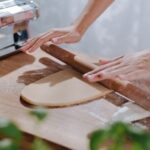
Kneading develops the structure that helps bread rise. Some bakers use a stand mixer, while others prefer the traditional method of folding and pressing dough by hand.
The process can be calming and satisfying. Repeated movements turn a rough mixture into a smooth, flexible dough. With practice, bakers begin to recognize when the dough is ready without needing complicated instructions.
Watching the Rise
Allowing dough to rise teaches patience. Traditional recipes may use visual clues, such as waiting for the dough to double in size, instead of depending on an exact number of minutes.
Room temperature, flour, and yeast can all affect the timing. Bakers learn to adjust their schedules and pay attention to the dough’s appearance. This hands-on approach is one of the reasons many people find bread baking so engaging.
Sharing Skills Across Generations
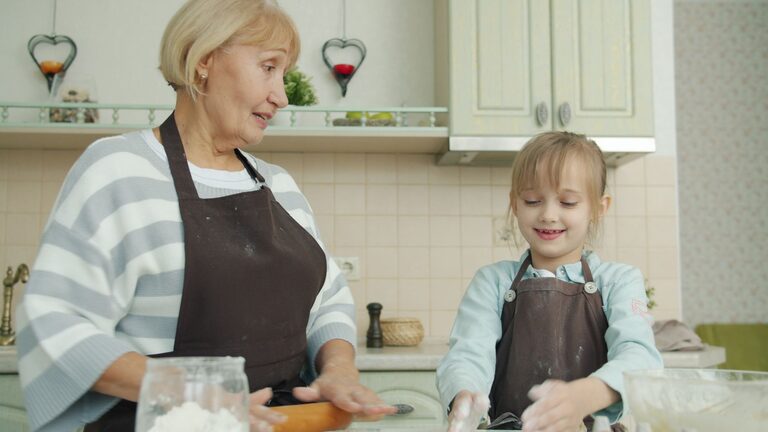
One of the most enjoyable parts of this revival is the exchange of knowledge between generations. Grandmothers, mothers, daughters, and grandchildren often bake together, creating time for conversation as well as learning.
Older bakers may teach younger family members how to shape rolls, measure ingredients, or recognize when a loaf is fully baked. Younger relatives may introduce new tools, digital recipes, or different styles of bread.
This exchange works both ways. Traditional knowledge provides a strong foundation, while modern ideas can make the hobby easier to explore. A family may use a classic recipe while documenting it with photographs, recording a video, or creating a shared digital cookbook.
Baking together can also preserve stories that might otherwise be forgotten. A recipe may remind someone of a farmhouse kitchen, a neighborhood bakery, or a special gathering. These memories give the food a deeper meaning.
Building Community Through Bread
Bread baking is not limited to the home. Many women 65 and older are joining informal baking groups, library programs, community classes, and local clubs.
These gatherings offer a friendly way to meet others and learn new methods. Participants may bring a loaf to share, discuss favorite ingredients, or exchange recipes. Some groups focus on a particular style, such as sourdough or European breads, while others welcome all experience levels.
Community baking projects can include:
– Recipe swaps
– Hands-on bread workshops
– Seasonal baking events
– Neighborhood bread exchanges
– Fundraising bake sales
– Demonstrations at local fairs
The social side of the hobby is often just as important as the finished loaf. Baking provides a common activity that encourages conversation and cooperation.
Making Traditional Baking More Accessible
Modern tools have made it easier to enjoy traditional bread baking without losing its character. A digital kitchen scale can improve consistency, while a dough scraper makes shaping simpler. Stand mixers may reduce the effort involved in mixing and kneading, and smaller baking pans can help create manageable portions.
Many bakers also adapt recipes to fit their kitchens and schedules. They may prepare dough in advance, freeze extra rolls, or choose smaller loaves. These changes allow the hobby to remain enjoyable and practical.
Clear instructions are especially helpful for beginners. A simple recipe with a short ingredient list can be a good starting point. Once bakers become comfortable with the basics, they can experiment with seeds, herbs, grains, or different shapes.
The goal is not to create a perfect loaf every time. A loaf that is slightly uneven can still be delicious and useful. Each batch offers information that helps with the next one.
Adding Personal Creativity
Although traditional recipes are an important starting point, many older women are also making bread their own. They may combine family methods with new flavors or create breads inspired by travel and local ingredients.
Examples include:
– Herb and cheese rolls
– Apple or cinnamon breakfast bread
– Seeded whole grain loaves
– Seasonal fruit breads
– Small rolls shaped like flowers or knots
Creative changes can turn baking into a form of personal expression. The baker chooses the ingredients, shape, size, and presentation. Even a familiar recipe can feel new when it is prepared in a different way.
Some women are also sharing their baking through newsletters, social media groups, local markets, or personal blogs. Their stories encourage others to try the hobby and show that traditional skills can fit comfortably into modern life.
Why the Revival Matters
The renewed interest in bread baking reflects a wider appreciation for practical, hands-on hobbies. In a busy world, making bread offers time away from screens and a chance to focus on a simple process.
For women 65 and older, the hobby can also be a way to remain curious, creative, and connected. It encourages learning without pressure and creates opportunities to share knowledge with others.
Most importantly, traditional bread baking keeps everyday history alive. Each recipe carries traces of the people and places that came before. When today’s bakers prepare those recipes, they preserve the past while giving it room to grow.
Whether it happens in a family kitchen or a community workshop, every loaf can become part of that continuing story.