







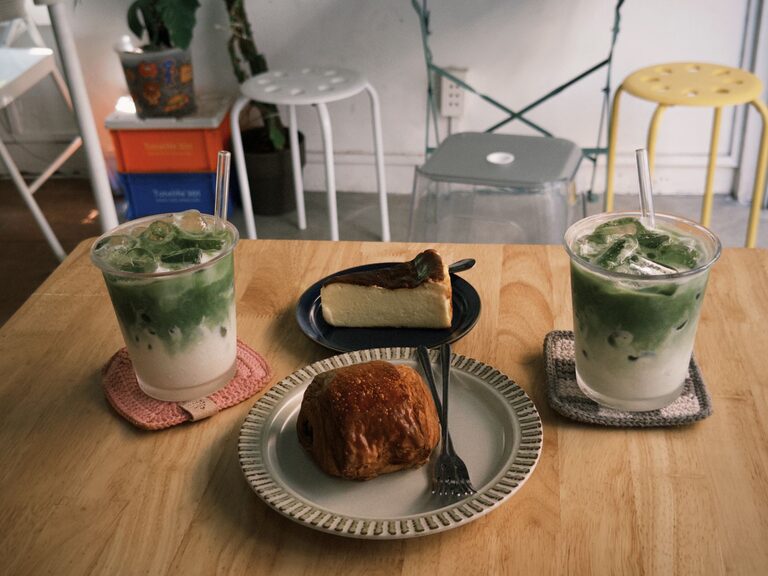
A Fresh Take on a Familiar Tradition
Afternoon tea is finding a new audience at independent cafés. Once associated mainly with formal hotels and special occasions, this relaxed meal is becoming a popular way to spend time with friends, family, and colleagues.
Independent cafés are helping shape this change. They are adapting the traditional format to suit modern tastes, smaller spaces, and a wider range of customers. Instead of treating afternoon tea as a rare luxury, many cafés are making it a friendly, approachable experience that fits naturally into the day.
The result is a gathering that feels both familiar and new. Guests can enjoy tea, small sandwiches, baked treats, and conversation without the formality often connected with traditional afternoon tea services.
Why Independent Cafés Are Embracing Afternoon Tea
Independent cafés have several reasons to add afternoon tea to their menus. The experience offers a chance to introduce customers to the café’s personality while creating a special occasion that stands out from a standard coffee visit.
A Memorable Customer Experience
A well-planned afternoon tea gives customers more than a drink and a snack. It creates a complete experience, from the presentation of the food to the choice of teas and the atmosphere of the room.
Many cafés use tiered stands, vintage dishes, handmade menus, or seasonal decorations to make the gathering feel special. These details can turn a simple meal into something guests remember and recommend to others.
A Flexible Menu Format
Afternoon tea is also adaptable. A café can create a classic menu with cucumber sandwiches, scones, jam, and cakes, or develop a version that reflects its own style.
Some cafés offer menus featuring:
– Seasonal fruits and pastries
– Locally made cakes
– Savory tartlets and fresh salads
– Vegetarian and plant based choices
– Regional ingredients
– Specialty teas and iced tea options
This flexibility allows each business to create an afternoon tea that feels authentic rather than copied from a standard template.
A New Reason to Visit
Regular customers may visit a café for breakfast or a morning coffee. Afternoon tea gives them another reason to return during a quieter part of the day.
It can also attract new guests who are looking for a place to celebrate a birthday, catch up with friends, or mark a small personal milestone. Because the menu is often served to a table or group, it encourages longer visits and shared conversation.
The Appeal for Guests
The popularity of afternoon tea gatherings is not only about the food. The format meets several social and lifestyle needs that are important to today’s café customers.
Time to Slow Down
Many people spend much of the day moving between tasks, messages, and appointments. Afternoon tea offers a simple reason to pause.
The meal is usually served at a comfortable pace. Guests have time to pour tea, try several small dishes, and talk without feeling rushed. This slower rhythm can make an ordinary afternoon feel more enjoyable.
A Shared Social Activity
Afternoon tea is naturally suited to groups. The food is often arranged for sharing, and the menu encourages guests to sample different items together.
It can work well for many types of gatherings, including:
– Catching up with friends
– Family visits
– Book club meetings
– Birthday celebrations
– Casual work gatherings
– Pre event meetups
Unlike a large dinner, afternoon tea can feel light and informal. Guests can enjoy a social meal without committing to a long evening out.
A Special Experience at a Comfortable Scale
Independent cafés often provide a more personal setting than larger venues. Their smaller dining rooms can feel warm and relaxed, while staff may have more opportunity to speak with guests and explain the menu.
This balance is part of the appeal. Customers receive a special experience, but one that does not feel overly formal or intimidating.
How Cafés Are Updating the Tradition
The renewed interest in afternoon tea does not mean every café is returning to an old-fashioned format. Many are reworking the tradition to match their local community and customer preferences.
Seasonal Menus
Seasonal ingredients help cafés keep their offerings fresh. A spring menu might include light pastries, berries, and floral tea blends, while an autumn menu could feature spiced cakes, baked apples, and warming teas.
Changing the menu throughout the year also gives returning customers a reason to try the experience again.
Creative Tea Choices
Tea remains the center of the gathering, but cafés are expanding the selection beyond a few familiar black teas. Guests may be able to choose from green, white, herbal, fruit, or blended teas.
Some cafés also offer a tea flight, allowing customers to sample several varieties. Others pair specific teas with sandwiches, scones, or desserts to make the menu more interactive.
Dietary Variety
A welcoming afternoon tea menu often includes options for different dietary preferences. Plant based sandwiches, dairy free desserts, and gluten free baked goods can help more guests take part.
Clear menu descriptions are useful as well. They allow customers to understand the ingredients and make choices before ordering. When possible, cafés may ask guests about dietary needs during the booking process.
Casual Presentation
Not every café uses a traditional three tier stand. Some serve afternoon tea on wooden boards, ceramic plates, or shared trays designed to fit their décor.
The presentation can be modern, rustic, colorful, or minimalist. What matters most is that it feels thoughtful and suits the character of the café.
Building a Successful Afternoon Tea Service
For independent café owners, offering afternoon tea requires more than adding sandwiches and cakes to the menu. Good planning helps protect quality and creates a smooth experience for both staff and guests.
Keep the Menu Focused
A short, well-designed menu is often easier to manage than a large selection. A café might offer a few savory items, one or two scone choices, and several small desserts.
A focused menu allows the kitchen team to maintain consistency and gives guests enough variety without making the experience confusing.
Use Reservations Wisely
Afternoon tea often involves several courses and detailed preparation. Reservations can help cafés plan ingredient quantities, arrange tables, and schedule staff.
A reservation system also gives guests confidence that the menu will be available when they arrive. Some cafés may accept walk-ins during quieter periods while reserving certain times for booked groups.
Train Staff to Explain the Experience
Staff members should be familiar with the menu, tea choices, serving order, and any advance requirements. A simple explanation at the beginning can make guests feel comfortable and informed.
Friendly service is especially important in a smaller café, where personal interaction is a key part of the experience.
The Community Role of Café Gatherings
Afternoon tea can contribute to the wider identity of an independent café. It creates opportunities for local makers, bakers, and suppliers to be part of the menu.
A café might feature locally produced jam, handmade chocolates, regional honey, or baked goods from a nearby kitchen. These partnerships add character while helping the gathering feel connected to its neighborhood.
Afternoon tea events can also support community activities. A café may host a seasonal tasting, a creative workshop, or a themed gathering that brings customers together in a welcoming setting.
Looking Ahead
The rise of afternoon tea at independent cafés reflects a broader interest in experiences that are personal, social, and easy to enjoy. Customers are not only looking for good food. They are also seeking places where they can pause, connect, and make everyday occasions feel meaningful.
Independent cafés are well placed to meet that interest. Their menus can be flexible, their spaces can feel personal, and their approach can reflect the needs of the local community.
As more cafés explore the format, afternoon tea is likely to continue evolving. Some versions will remain close to tradition, while others will feature creative flavors, modern presentation, and new ways to gather. In every form, the appeal is simple: a pot of tea, a table of small treats, and time to enjoy good company.