







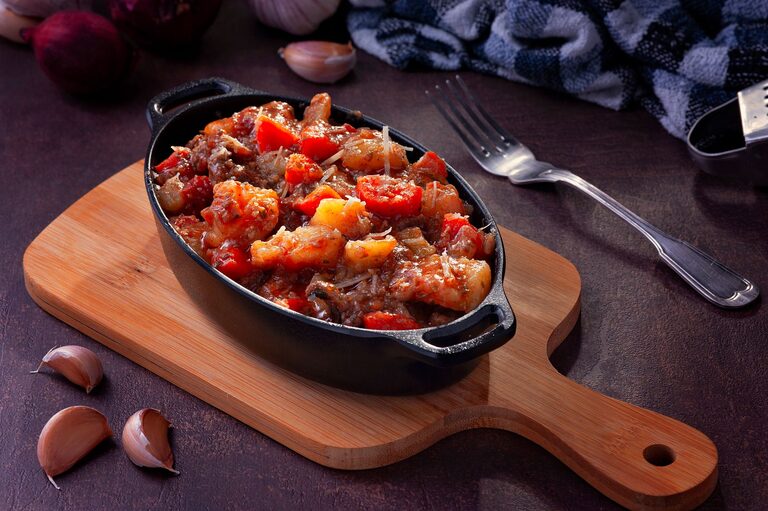
Classic casseroles are loved for good reason. They are warm, filling, easy to share, and often simple to prepare ahead of time. However, familiar recipes can sometimes feel heavy or repetitive. Adding seasonal vegetables is an easy way to refresh these dependable dishes while keeping the comforting qualities that make casseroles so popular.
From crisp spring peas to hearty winter squash, vegetables can add color, texture, flavor, and balance. They also make it easier to create a satisfying meal with ingredients that are fresh and widely available.
Why Seasonal Vegetables Work So Well
Seasonal vegetables are often at their best in terms of flavor and texture. Using what is available during the year can help a classic casserole feel new without requiring a completely different recipe.
Vegetables can also improve the structure of a casserole. Some add softness and moisture, while others bring a pleasant bite or a lightly roasted flavor. A mix of textures keeps each serving interesting.
Try using vegetables to:
– Add color to creamy or cheese-based casseroles
– Balance rich sauces and toppings
– Create layers of flavor
– Stretch a recipe to serve more people
– Replace part of the pasta, rice, or meat
– Use fresh produce before it goes to waste
The key is to prepare each vegetable in a way that matches its natural texture.
Spring: Add Freshness and Color
Spring vegetables bring a light, bright quality to baked dishes. Peas, asparagus, spinach, green onions, radishes, and tender carrots are all useful choices.
A creamy chicken and rice casserole can be updated with asparagus pieces and sweet peas. Add the asparagus during the final few minutes of cooking so it stays slightly crisp. Peas can be stirred in just before the casserole goes into the oven, allowing them to warm without becoming too soft.
For a vegetarian option, combine spinach, mushrooms, and ricotta with cooked pasta. A small amount of lemon zest or chopped fresh herbs can add freshness without overpowering the creamy filling.
Spring Vegetable Tips
– Blanch asparagus briefly before adding it to a casserole.
– Stir delicate greens into the sauce rather than layering them raw.
– Use peas near the end of preparation to protect their color.
– Add fresh herbs after baking for a clean, lively finish.
Summer: Make the Most of Abundant Produce
Summer is an ideal season for colorful casseroles. Zucchini, tomatoes, corn, bell peppers, eggplant, and green beans can all bring a lighter feel to baked meals.
A tomato, zucchini, and mozzarella casserole is a simple example. Slice the vegetables evenly, arrange them in layers, and top them with breadcrumbs and cheese. Because summer vegetables contain a lot of moisture, it helps to salt sliced zucchini or eggplant lightly and let them rest for a few minutes before patting them dry.
For a heartier dish, combine cooked grains with roasted corn, bell peppers, black beans, and a mild sauce. Add cheese on top and bake until the edges are bubbling. This style of casserole is easy to customize and works well as a main dish or side.
Preventing Watery Summer Casseroles
Many summer vegetables release liquid as they cook. A few simple steps can help maintain the right consistency:
- Pat sliced vegetables dry before layering.
- Roast high-moisture vegetables briefly before assembling the dish.
- Avoid adding too much sauce at the beginning.
- Let the finished casserole rest before serving.
- Use a crisp topping to provide contrast.
Fall: Build Flavor With Roasted Vegetables
Fall vegetables are naturally suited to rich, satisfying casseroles. Sweet potatoes, butternut squash, cauliflower, Brussels sprouts, apples, and mushrooms pair well with grains, poultry, beans, and cheese.
Roasting these vegetables first can deepen their flavor and help them hold their shape. Toss cubed squash or sweet potatoes with a little oil, spread them on a baking sheet, and roast until lightly browned. Then combine them with cooked rice, herbs, and a simple sauce before baking again.
A cauliflower and cheddar casserole is another classic that can be refreshed with roasted garlic, sliced leeks, or chopped kale. The vegetables add extra flavor while keeping the familiar creamy texture.
For a dish with a sweet and savory balance, try roasted squash with apples, wild rice, toasted nuts, and a small amount of dried fruit. This combination works well as a side dish for gatherings or as a filling vegetarian main course.
Winter: Choose Hearty, Comforting Ingredients
Winter casseroles benefit from vegetables that can stand up to longer cooking times. Potatoes, carrots, cabbage, parsnips, turnips, winter squash, and sturdy greens are dependable choices.
A traditional potato casserole can gain extra flavor from thinly sliced leeks and roasted garlic. A baked pasta dish can include chopped kale or Swiss chard, which hold their texture better than delicate greens.
Root vegetables also work well in layered casseroles. Slice potatoes, carrots, and parsnips thinly, then arrange them with a light cream sauce or broth-based mixture. Cover the dish for most of the baking time so the vegetables become tender, then uncover it near the end to brown the top.
Winter Flavor Pairings
Consider these combinations when planning a cold-weather casserole:
– Potatoes, leeks, and sharp cheddar
– Butternut squash, sage, and white beans
– Cabbage, carrots, and ground meat
– Cauliflower, mushrooms, and breadcrumbs
– Parsnips, lentils, and fresh thyme
Build a Better Casserole
A balanced casserole usually includes four main parts: a base, vegetables, a binder or sauce, and a topping.
1. Choose a Base
The base may be pasta, rice, potatoes, grains, beans, or bread. Cook it according to the package directions, but avoid making it overly soft. It will continue cooking in the oven.
2. Prepare the Vegetables
Cut vegetables into similar-sized pieces so they cook evenly. Roast, sauté, steam, or blanch them as needed. Hard vegetables usually need more cooking before assembly than tender ones.
3. Add a Binder
A binder brings the ingredients together. Common choices include tomato sauce, broth, yogurt, sour cream, cheese sauce, eggs, or a simple combination of milk and flour. Add enough to keep the casserole moist, but not so much that it becomes soupy.
4. Finish With Texture
A topping adds contrast and visual appeal. Try breadcrumbs, shredded cheese, crushed crackers, chopped nuts, seeds, or toasted oats. Mix breadcrumbs with a little oil or melted butter so they brown evenly.
Simple Ways to Refresh Familiar Recipes
You do not need to rewrite a favorite casserole completely. Small changes can make a noticeable difference.
– Replace some pasta or rice with chopped vegetables.
– Switch heavy cream for a lighter sauce made with broth and milk.
– Add fresh herbs, lemon zest, or a splash of vinegar.
– Use two or three vegetables instead of one.
– Add toasted seeds or nuts for crunch.
– Finish with chopped green onions or fresh parsley.
– Change the cheese to match the vegetables and seasonings.
It is also helpful to think about color. A casserole made with only pale ingredients may taste good but look less inviting. Adding green, orange, red, or purple vegetables creates a more appealing dish with very little extra effort.
Make-Ahead and Leftover Tips
Many casseroles are ideal for meal planning. Assemble the dish earlier in the day, cover it, and refrigerate it until you are ready to bake. If the casserole is cold when it goes into the oven, it may need extra baking time.
Leftovers can often be refreshed with a new topping. Add a handful of greens, a spoonful of salsa, or a small salad on the side. Individual portions can also be reheated and served with different toppings for variety.
When storing leftovers, use a covered container and refrigerate them promptly. Reheat portions until they are hot throughout, and add a splash of broth or milk if the casserole has become dry.
A Fresh Tradition for Every Season
Seasonal vegetables make it easy to keep classic casseroles familiar while giving them a fresh identity. By choosing produce at its peak, balancing textures, and adding a flavorful topping, you can turn a dependable recipe into something colorful and satisfying.
Whether you are cooking for a busy weeknight, a family gathering, or a relaxed weekend meal, the basic casserole formula offers plenty of room for creativity. Start with a favorite dish, add one seasonal vegetable, and build from there.