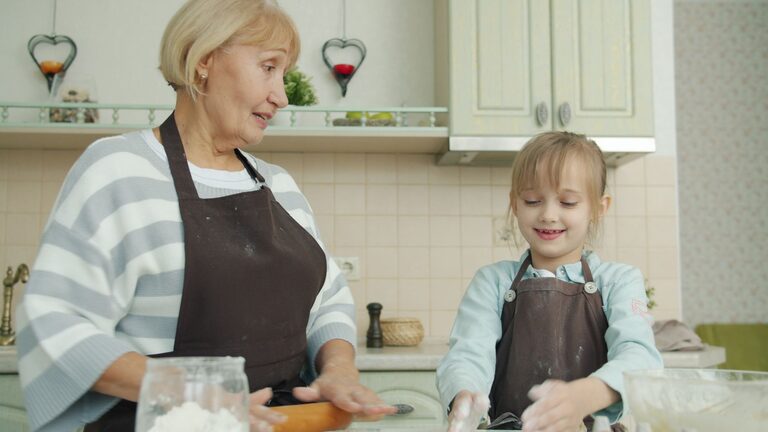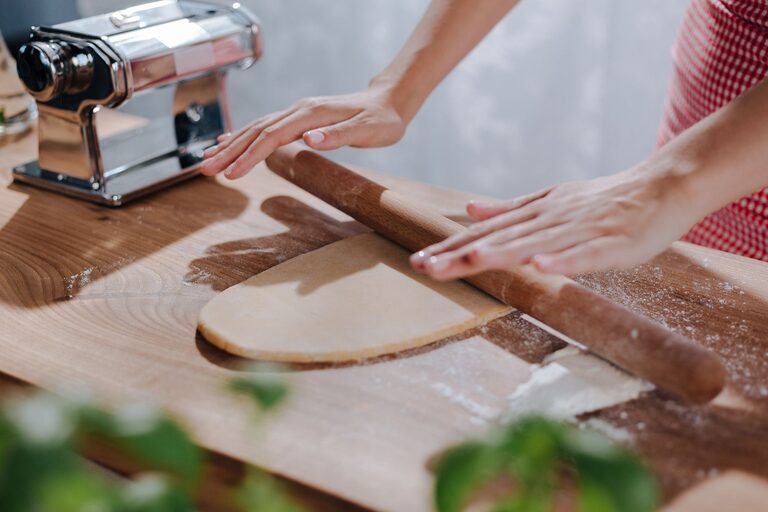







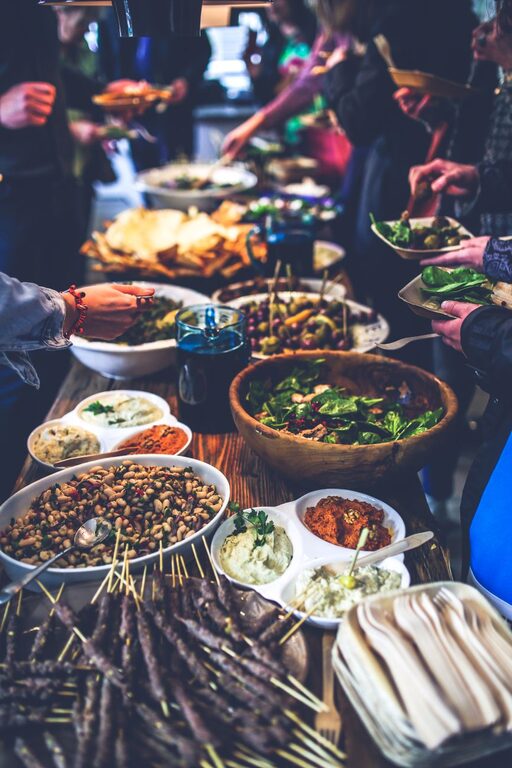
A favorite recipe can be more than a list of ingredients and instructions. It may remind someone of a family celebration, a longtime friend, or a simple meal enjoyed around the kitchen table. Community cookbook clubs bring these memories together, giving neighbors a friendly way to share food, stories, and creativity.
Unlike a traditional cooking class, a cookbook club does not require everyone to prepare the same dish or follow an expert-led lesson. Instead, members choose recipes, make them at home, and gather to talk about what they cooked. The result is a relaxed social activity that can welcome people with all levels of kitchen experience.
What Is a Community Cookbook Club?
A community cookbook club is a group of people who meet regularly to explore recipes and exchange ideas. Each gathering may have a theme, such as comfort food, seasonal produce, family favorites, or dishes from around the world.
Members can bring:
– A prepared dish to share
– A printed recipe or recipe card
– A story about the dish
– Questions about ingredients or cooking methods
– Suggestions for a future meeting theme
Some clubs focus on tasting and conversation, while others include a short cooking demonstration, recipe swap, or group cookbook project. The format can be as simple or organized as the members prefer.
Why Cookbook Clubs Work So Well
Food naturally creates opportunities for conversation. People who might not otherwise meet can begin talking while comparing recipes, asking about ingredients, or discussing how a dish turned out.
Cookbook clubs also offer several benefits for a neighborhood:
They create regular connections
A monthly or seasonal meeting gives neighbors a reason to gather more than once. Over time, familiar faces become friends, and new residents have an easy way to meet people nearby.
They celebrate personal stories
Recipes often have a story behind them. A member may share a dish learned from a grandparent, discovered while traveling, or created during a busy season of life. These stories help people understand one another and appreciate different traditions.
They encourage creativity
Members can experiment with new flavors, cooking methods, and presentation ideas. A club can be a low-pressure place to try something unfamiliar and learn from others.
They make hosting approachable
A cookbook club does not need an elaborate venue or formal program. Meetings can take place in a community room, library, apartment common area, backyard, or rotating homes. Shared responsibilities make hosting easier for everyone.
How to Start a Cookbook Club
Starting a club can be simple. Begin with a small group of interested neighbors, friends, or local community members. A group of six to twelve people is often large enough for variety while still allowing everyone to join the conversation.
1. Choose a regular schedule
Decide how often the group will meet. Monthly gatherings are popular because they provide enough time to choose and prepare a recipe without creating too much pressure.
Pick a day and time that works for most members. A weekend afternoon may suit families, while an evening meeting may work better for people with daytime commitments.
2. Select a meeting format
There are several ways to organize the club:
– Everyone makes a recipe from the same cookbook
– Each member brings a favorite recipe connected to a theme
– One person demonstrates a simple technique
– Members bring recipe cards for a group exchange
– The club creates a shared neighborhood cookbook
– Meetings alternate between tasting events and discussion nights
The most successful format is one that feels enjoyable and manageable. Clubs can adjust the plan after the first few meetings.
3. Pick an inviting first theme
A broad theme makes it easier for members to participate. Good starting ideas include:
– Favorite family recipes
– One pot meals
– Fresh seasonal dishes
– Breakfast and brunch
– Simple desserts
– Picnic foods
– Homemade snacks
– Recipes with five ingredients
A theme gives the gathering direction without limiting creativity too much.
4. Set clear sharing guidelines
Before the first meeting, decide how food will be served and labeled. Ask members to note common ingredients and provide basic preparation details when useful.
It is also helpful to agree on practical expectations, such as:
– Whether guests may attend
– How much food each person should bring
– Whether store-bought items are welcome
– How leftovers will be handled
– Who will provide plates, cups, and utensils
– Whether recipes should be printed or shared digitally
Clear guidelines help everyone feel comfortable and prepared.
Ideas for Memorable Meetings
A cookbook club can become more engaging with a few simple activities. For example, members might vote on the most creative recipe, the easiest dish, or the best use of a seasonal ingredient. Keep these activities lighthearted and optional so the focus remains on connection.
Recipe storytelling is another enjoyable addition. Invite each person to explain where the recipe came from, why they chose it, or what changes they made. A short story can turn an ordinary dish into a meaningful conversation starter.
Members can also create a shared recipe binder. At each meeting, everyone contributes one recipe, and the collection grows over time. By the end of the year, the club may have a unique cookbook filled with neighborhood favorites.
Try a recipe exchange
Ask members to bring several copies of a recipe card. Everyone can take home a selection and try one or two dishes before the next meeting. This keeps the club active between gatherings and gives members new ideas to discuss.
Add a community project
For a special gathering, the group might prepare snack boxes for a local event, assemble recipe cards for new residents, or organize a neighborhood potluck. Choose a project that fits the group’s interests and available time.
Making the Club Welcoming
A friendly atmosphere matters more than perfect food. Let members know that experienced cooks, beginners, and people who prefer simple recipes are all welcome. No one should feel expected to prepare an impressive or complicated dish.
Consider offering different ways to participate. Someone may bring a dish, while another person brings napkins, shares a recipe, or helps organize the next meeting. Flexible roles make it easier for people with different schedules and abilities to join.
Keep conversations open and respectful. Encourage members to ask questions without judgment, and remember that recipes can be adapted in many ways. The goal is to share ideas, not to compete.
Building Lasting Neighborhood Connections
Over time, a cookbook club can become more than a food gathering. Members may discover shared interests, help one another with local projects, or create new traditions together. A seasonal recipe night, annual picnic, or holiday cookie exchange can become an event that neighbors look forward to each year.
The club may also inspire members to preserve recipes that could otherwise be forgotten. Writing down cooking tips, family traditions, and personal notes gives future generations a way to connect with the people and places that shaped the community.
A Simple Recipe for Connection
Community cookbook clubs succeed because they combine three approachable ingredients: good food, shared stories, and regular time together. They do not require professional skills, expensive equipment, or a large budget. With a thoughtful theme and a welcoming attitude, any neighborhood can create a gathering that feels special.
Whether members exchange treasured family dishes or simply compare easy weeknight meals, the experience can strengthen local connections one recipe at a time.