







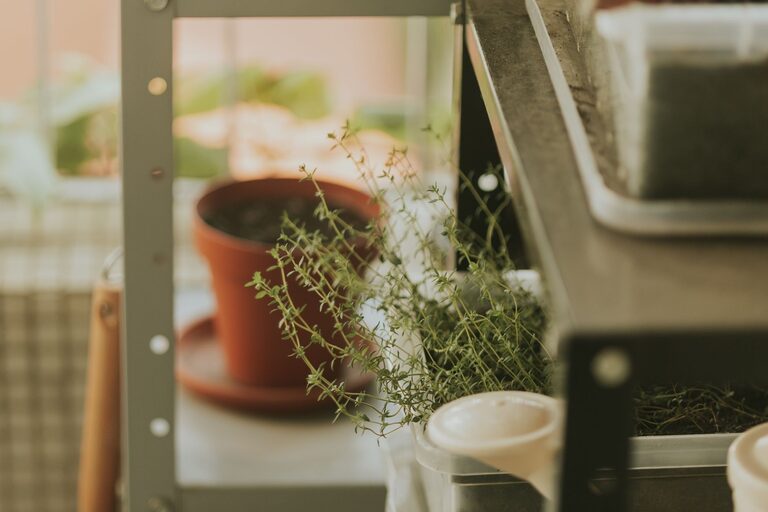
Growing fresh herbs on a sunny windowsill is an easy way to add greenery to your home and fresh flavor to everyday meals. You do not need a large garden, special equipment, or years of experience. With the right containers, good light, and a little regular care, many herbs can thrive indoors.
This guide covers how to choose herbs, prepare your windowsill, plant and water correctly, and keep your plants productive through the seasons.
Choose the Right Windowsill
Before buying plants or seeds, examine the space where you plan to grow. Most culinary herbs need several hours of bright light each day. A south-facing window usually provides the most sunlight, while east- or west-facing windows can also work well. A north-facing window may not provide enough natural light, especially during winter.
Choose a windowsill that is:
– Bright for several hours each day
– Away from cold drafts and heating vents
– Wide enough to hold pots securely
– Easy to reach for watering and harvesting
– Near a surface that can be protected from spills
Glass can make a windowsill warmer than the rest of the room, so check the plants regularly during hot weather. If leaves begin to wilt quickly or look scorched, move the pots slightly away from the glass or provide light shade during the brightest part of the day.
Select Beginner-Friendly Herbs
Some herbs are especially well suited to indoor growing. Start with one or two varieties rather than filling the entire windowsill at once.
Basil
Basil grows quickly in warm, bright conditions and is a popular choice for beginners. It prefers evenly moist soil and regular harvesting. Pinching off the growing tips helps the plant become fuller instead of tall and thin.
Chives
Chives are compact, hardy, and easy to cut as needed. They can grow from seed or be purchased as a small plant. Snip the green leaves close to the base, and new growth will continue to appear.
Parsley
Parsley grows well in containers and can provide leaves for many months. It may take a little longer to germinate from seed, so starting with a small plant is often more convenient for beginners.
Mint
Mint grows vigorously and is forgiving if you occasionally forget to water it. Keep it in its own container because its roots can spread quickly and crowd other herbs.
Thyme and Oregano
Thyme and oregano prefer bright light and soil that dries slightly between waterings. Their small leaves are flavorful, and their trailing or low-growing shapes work well in compact spaces.
Cilantro
Cilantro grows quickly but may produce flowers and seeds after several weeks. For a steady supply, sow a small number of seeds every few weeks rather than planting everything at once.
Pick Suitable Containers
Good containers are essential for healthy herbs. Each pot should have drainage holes at the bottom. Without drainage, excess water can collect around the roots and cause problems.
When choosing containers, look for:
– A pot that is a little larger than the plant’s root ball
– At least one drainage hole
– A saucer to catch excess water
– A stable shape that will not tip easily
– Enough room for the herb to grow
You can place several small pots in a tray to keep the windowsill organized. Avoid leaving pots standing in water after watering. Empty the saucers once the soil has drained.
If you are reusing containers, wash them first to remove old soil and residue. This gives your new plants a clean start.
Use the Right Potting Mix
Use a quality indoor potting mix rather than garden soil. Garden soil is often too dense for containers and may drain poorly indoors. Potting mixes are designed to provide air spaces and moisture control for container plants.
You can choose a general-purpose indoor mix for most herbs. A mix labeled for containers or vegetables can also work well. Fill the pot without pressing the soil down too firmly. Roots need both moisture and air to grow properly.
Leave a small gap between the soil surface and the rim of the pot. This makes watering easier and helps prevent soil from washing over the sides.
Plant Seeds or Starter Plants
Starter plants are the simplest option for beginners. Choose healthy plants with fresh green leaves, firm stems, and no obvious signs of pests. Avoid plants with yellowing leaves, damaged stems, or very dry soil.
To plant a starter herb:
- Add a layer of potting mix to the container.
- Remove the herb gently from its original pot.
- Loosen tightly packed roots with your fingers.
- Place the plant at the same depth it was growing before.
- Fill around the roots with potting mix.
- Water slowly until a little water drains from the bottom.
If you prefer growing from seed, follow the depth and spacing instructions on the seed packet. Keep the soil lightly moist while the seeds germinate. Once seedlings appear, place them in bright light and thin crowded seedlings if needed.
Water Carefully
Watering is one of the most important parts of indoor herb care. Different herbs have different preferences, but most do best when the soil is slightly moist without being constantly wet.
Check the soil by touching the top inch with your finger. If it feels dry, water the plant thoroughly. If it still feels damp, wait and check again later.
Helpful watering habits include:
– Water slowly so the soil absorbs it evenly.
– Let excess water drain from the pot.
– Empty the saucer after a few minutes.
– Avoid wetting the leaves repeatedly.
– Check pots more often in warm, bright weather.
– Check less often during cool or cloudy periods.
Small pots can dry out quickly, while large pots may stay wet for a long time. Use the soil’s condition as your guide instead of following a fixed daily schedule.
Provide Regular Light
Herbs grown indoors need strong light to stay compact and productive. Turn the pots a quarter turn every few days so all sides receive light. This also helps prevent the plant from leaning toward the window.
If stems become unusually long and thin or leaves appear pale, the plant may need more light. You can move it closer to a brighter window or use a small grow light. Position the light according to the manufacturer’s instructions and provide a consistent day and night routine.
Do not place a grow light so close that it creates excessive heat on the leaves.
Harvest the Right Way
Regular harvesting encourages many herbs to produce new growth. Use clean scissors or pinch leaves gently with your fingers.
For leafy herbs such as basil, parsley, and mint:
– Harvest the outer leaves first.
– Cut just above a pair of leaves when trimming stems.
– Avoid removing more than one-third of the plant at one time.
– Harvest in the morning when the leaves are fresh.
For chives, cut the leaves close to the base. For thyme and oregano, trim the soft green stems and avoid cutting deeply into old, woody growth.
Harvesting small amounts often is usually better than waiting until the plant becomes crowded or overgrown.
Solve Common Problems
Indoor herbs may show signs of stress, but most problems have simple causes.
Yellow Leaves
Yellow leaves can result from too much water, poor drainage, or a lack of light. Check the soil before watering again and make sure the container has drainage holes.
Drooping Leaves
Drooping may indicate that the plant is too dry, too wet, too hot, or exposed to a cold draft. Check the soil and move the plant to a more stable location if necessary.
Small or Pale Leaves
This often means the herb needs more light or occasional trimming. Move it to a brighter spot and harvest the growing tips to encourage branching.
Small Insects
Inspect new plants and the undersides of leaves regularly. If you notice small insects, isolate the affected pot and gently rinse the foliage with water. Remove badly damaged leaves and continue checking the plant over the next several days.
Keep Your Windowsill Garden Growing
Once your herbs are established, create a simple routine. Check the soil every few days, rotate the pots, remove damaged leaves, and harvest regularly. Sow new cilantro or basil every few weeks if you want a continuous supply.
Start with herbs you use often in cooking. A small collection of healthy plants is easier to maintain than a crowded windowsill. With bright light, suitable containers, careful watering, and regular harvesting, your sunny windowsill can become a reliable source of fresh herbs throughout the year.