



Small-batch jams are having a moment. At farmers markets, farm stands, specialty shops, and neighborhood bakeries, colorful jars filled with local fruit are appearing on shelves and breakfast tables. These jams offer more than a sweet spread. They tell the story of a season, a place, and the people who made them.
Unlike large-scale products that are often designed for long distribution and consistent flavor, small-batch jams are usually made in limited quantities. Producers can work closely with the fruit, adjust recipes as the harvest changes, and create flavors that reflect the character of their local area.
What makes small-batch jam different?
Small-batch jam is generally made in smaller quantities than commercial jam, often by independent producers, family businesses, farms, or home-based food companies. The smaller scale allows makers to pay close attention to texture, color, aroma, and flavor.
Many small-batch producers also use fruit that is:
– Grown nearby
– Picked at peak ripeness
– Purchased directly from farmers
– Sourced from orchards and gardens
– Selected according to the season
This approach can result in jam with a more distinct fruit flavor. A strawberry jam may taste bright and fresh, while a plum jam may have a rich, gently tart finish. Since each harvest varies, the same recipe can offer subtle differences from one batch to the next.
Local fruit brings a sense of place
One of the biggest reasons people are drawn to local jam is its connection to a specific region. Fruit grows differently depending on soil, weather, water, and growing practices. Even familiar fruits can have unique qualities when they come from a particular farm or area.
A jar made with local peaches may remind customers of a summer road trip, a nearby orchard, or a favorite farmers market. Apple butter made from regional apples can reflect the feeling of autumn, while blackberry jam may capture the flavor of late summer.
Producers often highlight the source of their fruit on the label. This simple detail helps shoppers understand where the ingredients came from and gives the product a stronger identity. Instead of being just another jar on a grocery shelf, the jam becomes a small taste of its community.
Seasonal flavors are driving creativity
Local fruit encourages jam makers to follow the seasons. Rather than offering the same flavors all year, many producers create rotating collections based on what is available.
Popular seasonal combinations include:
– Strawberry and rhubarb in spring
– Peach and ginger in summer
– Blueberry and lemon in late summer
– Apple and cinnamon in fall
– Pear and cranberry during the cooler months
– Fig and citrus in early winter
Some producers also add herbs, spices, or flowers to complement the fruit. Basil can give strawberry jam a fresh note, while rosemary may add depth to a fig preserve. Cardamom, vanilla, black pepper, and citrus zest are also being used to create balanced, modern flavors.
These combinations do not have to be complicated. The best recipes often use a few carefully chosen ingredients that allow the fruit to remain the main attraction.
The appeal of limited batches
Small quantities can make each jar feel special. A producer might make only a few dozen jars of a particular flavor, especially when working with a short harvest or a rare fruit variety. Once the batch is sold, customers may need to wait until the next season to find it again.
This limited availability has helped create excitement around local jams. Shoppers enjoy discovering new flavors and returning to favorite producers to see what has changed. Seasonal releases can also encourage people to try fruits they may not usually buy.
For makers, limited batches offer flexibility. They can test a new recipe, gather customer feedback, and improve the next version without committing to a large production run. This makes small-batch jam a natural space for experimentation.
More than a breakfast spread
Toast and biscuits remain classic ways to enjoy jam, but today’s small-batch varieties are being used in many different dishes. Their concentrated flavor makes them useful in both sweet and savory recipes.
Try using local jam in:
– Yogurt or oatmeal
– Cakes, cookies, and thumbprint pastries
– Sandwiches with cheese or roasted vegetables
– Glazes for roasted vegetables
– Sauces for grilled foods
– Salad dressings
– Cheesecake or ice cream toppings
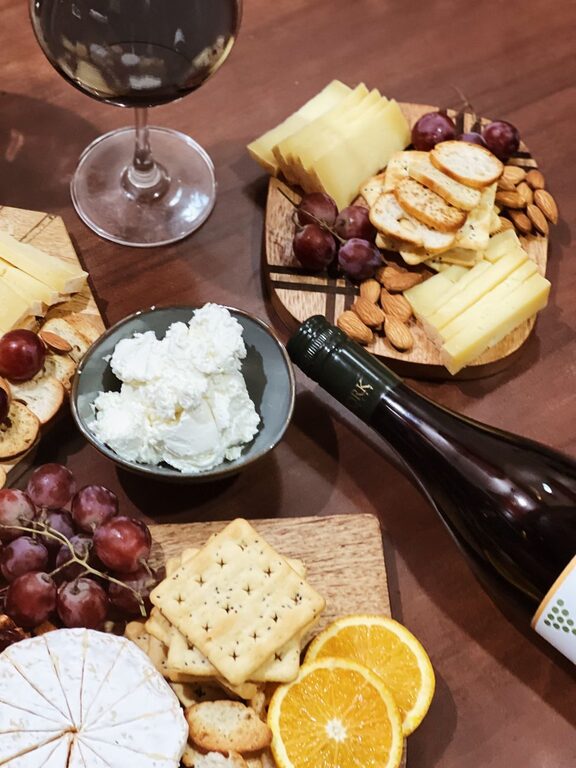
– Simple appetizers with crackers and soft cheese
A tart berry jam can brighten a rich cheese, while an onion and fruit preserve can add depth to a sandwich. Peach or apricot jam can also work well in a simple glaze, especially when balanced with a little vinegar or spice.
The key is to treat jam as a flavorful ingredient rather than only a sweet topping.
Packaging is part of the experience
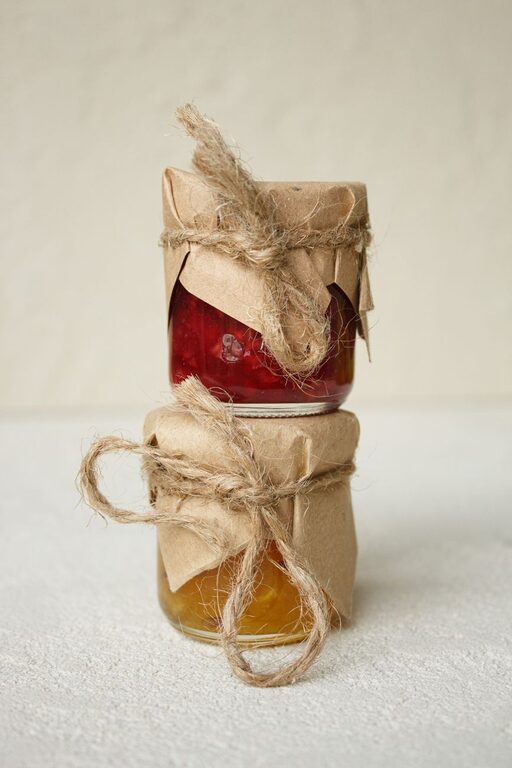
Small-batch jam producers often pay close attention to presentation. Labels may include hand-drawn illustrations, local maps, seasonal artwork, or notes about the fruit source. Reusable glass jars and carefully designed packaging can make the product feel thoughtful and gift-ready.
Clear labeling also helps customers make informed choices. Shoppers may look for the fruit used, the production date, suggested serving ideas, or information about the farm where the ingredients were grown.
Some makers are using packaging to share the story behind each recipe. A short note about a family orchard or a favorite local harvest can create a personal connection between the producer and the customer.
How to choose a good local jam
With so many options available, choosing a jar can be part of the fun. Start by considering the fruit and flavor profile you enjoy. If you prefer bright and tangy flavors, look for berry, citrus, or fruit-and-rhubarb combinations. For something richer, try plum, fig, or spiced apple.
It can also help to:
- Read the ingredient list.
- Check whether the fruit is locally sourced.
- Look for a seasonal or harvest date.
- Ask the producer how the jam is made.
- Compare different textures, from smooth to chunky.
- Buy a small jar before committing to a larger size.
A shorter ingredient list may allow the fruit to stand out more clearly, but personal preference matters most. Some jams are designed to be simple, while others are intentionally complex.
Supporting local producers
Buying a jar of local jam can support more than one small business. A producer may purchase fruit from nearby farms, print labels through a local company, and sell products at community markets. This creates connections among growers, makers, retailers, and customers.
Local jam also offers a practical way to enjoy regional agriculture. Fruit that is slightly imperfect in appearance can still make excellent preserves, helping producers use more of the harvest. In this way, jam making can turn seasonal abundance into a product that lasts beyond the fresh fruit season.
The future of small-batch jam
The new wave of small-batch jams is built on simple ideas: good fruit, thoughtful recipes, and a strong connection to place. Producers are finding fresh ways to work with familiar ingredients while customers are becoming more interested in where their food comes from.
As local food communities continue to grow, small-batch jam is likely to remain a popular choice for breakfast, baking, entertaining, and gift giving. Each jar offers a compact, flavorful reminder that food can be both practical and personal.
Whether spread on warm toast, paired with cheese, or stirred into a dessert, local fruit jam brings the taste of the season to the table—one small batch at a time.